Our Complete Family Camping Gear List
Camping with toddlers is a mix of magic, mess, and moments you’ll talk about for years. This gear list is designed for real families, on real budgets, who don’t want to haul a truckload of stuff they’ll never use. You absolutely do not need every single item here; think of it as a menu you can choose from based on your family, your car space, and your comfort level.
Throughout the list, you’ll see notes on what most families actually use all weekend versus the things that sound helpful but often stay in the car. Take what serves you and leave the rest without guilt.
Shelter & Sleep
Good sleep can make or break a family camping trip, especially with toddlers. Aim for “good enough” comfort rather than a perfect Pinterest setup.
Tent & Shelter
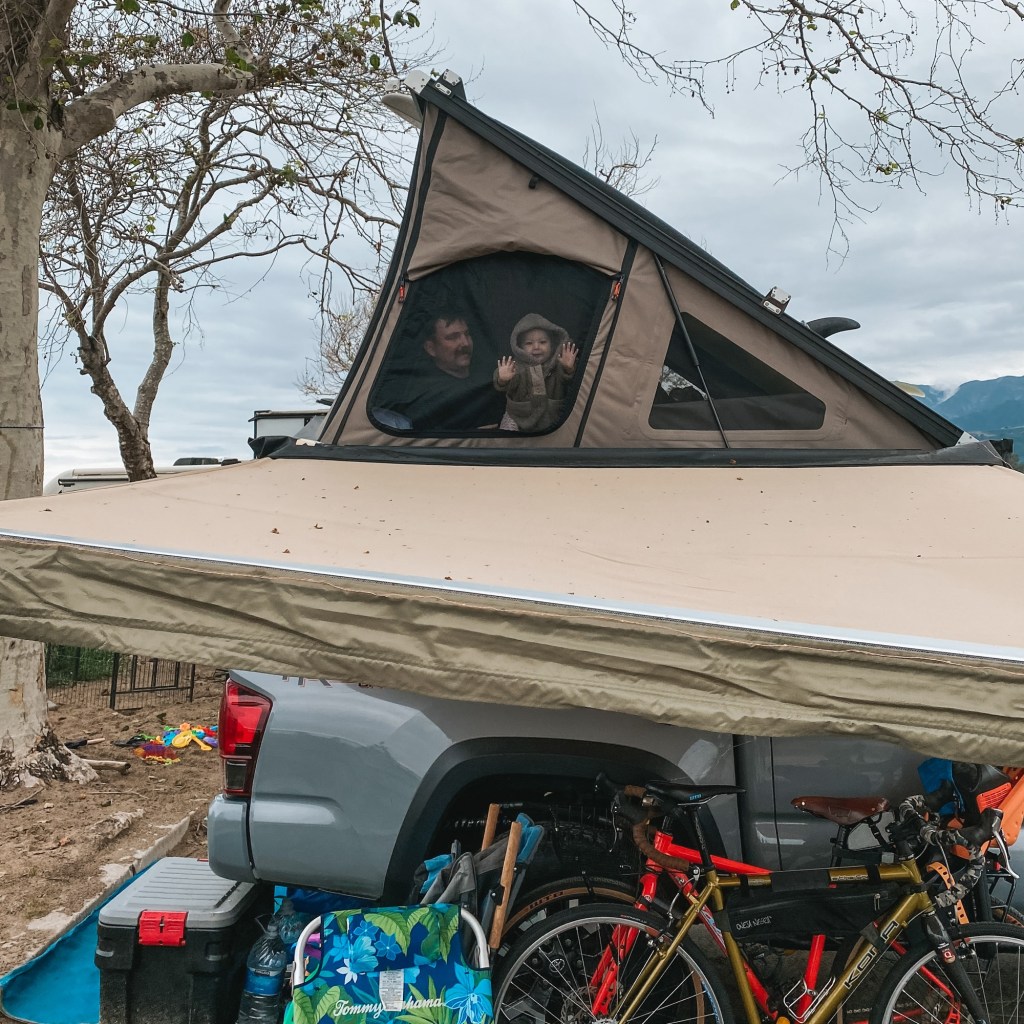
- Family-size tent (one size up from what you think) — If you’re 2 adults + 1–2 kids, look at a 6-person tent. Extra space makes room for gear, diapers, and middle-of-the-night outfit changes.
- Simple footprint or tarp under the tent — Protects the floor from moisture and sharp sticks. A basic tarp cut to roughly the tent size works fine.
- Small broom and dustpan — Quick sweeps before bed keep the tent feeling livable when kids track in half the campsite.
- Doormat or old towel at the entrance — For shoes and muddy feet. Budget-friendly and surprisingly helpful.
What often stays in the car: Extra pop-up shelters and fancy gear organizers. One tent and a simple tarp are usually plenty for weekends.
Sleeping Pads & Mattresses
- Sleeping pads for adults — Foam or inflatable pads make a huge difference in your own sleep quality, which helps you stay patient when someone wakes at 3 a.m.
- Toddler sleeping pad or small mattress — Options include: a kid-sized inflatable mattress, a foam pad, or folded yoga mats. The goal is insulation from the ground more than plush comfort.
- Non-slip layer under toddler’s pad — A yoga mat or small rug keeps their sleep setup from sliding around the tent.
Toddler Sleep Setup
- Sleep sack or wearable blanket — Safer than loose blankets and keeps them warm even if they roll around.
- Toddler sleeping bag (optional) — Fun and cozy, but not required if you have warm pajamas and a sleep sack. Many toddlers prefer their familiar sleep sack from home.
- Travel crib or portable play yard — Great for younger toddlers or escape artists. Doubles as a safe hangout spot while you set up camp.
- Portable bed rails or pool noodles under the sheet — For toddlers on a pad or mattress, these help prevent rolling off.
- Extra blanket — For unexpected cold nights, snuggles at the campfire, or padding.
Real-world note: Many parents swear by the same pajamas + sleep sack combo they use at home. The dedicated toddler sleeping bag is fun but often ends up being used as an extra blanket.
White Noise & Comfort Items
- Battery-powered white noise machine or app + power bank — Helps mask campground sounds and lets everyone fall back to sleep more easily.
- Favorite lovey or stuffed animal (with a backup if possible) — A familiar comfort item can make a strange tent feel safe.
- Favorite bedtime book — Sticking to your normal bedtime routine (even loosely) helps toddlers settle.
- Small night light or dim lantern — Enough light for bedtime stories and midnight checks without waking everyone fully.
What often stays in the car: Extra pillows and decorative blankets. One pillow per adult and a simple toddler setup is usually enough.
Kitchen & Food
Camp cooking does not have to be fancy to be fun. Think simple meals you can assemble quickly while keeping an eye on a wandering toddler.
Stove, Fuel & Fire
- Two-burner camp stove — Reliable, easy to use, and much more predictable than cooking everything over the fire.
- Fuel (plus a spare) — Check what your stove uses (propane, canister fuel) and pack one extra so you’re not rationing coffee water.
- Long-reach lighter or matches — Easier and safer than tiny disposable lighters.
- Firewood and fire starters (if fires are allowed) — For s’mores and warmth more than actual cooking when you have toddlers roaming around.
Cookware & Cleanup
- 1–2 medium pots with lids — For boiling water, making pasta, oatmeal, or soups. No need for an entire cookware set.
- 1 large skillet — For pancakes, quesadillas, and one-pan dinners.
- Heat-resistant spatula and large spoon — Just the basics go a long way.
- Cutting board + sharp knife with cover — Keep the knife in a sheath or wrapped in a towel for safety.
- Collapsible or shallow plastic bin — Doubles as a wash basin or dish tub.
- Biodegradable soap and sponge or dishcloth — Gentle on the environment and your dishes.
- Dish towels — Useful for drying dishes, hands, and occasionally toddlers.
- Trash bags — For garbage, wet clothes, or containing diaper changes.
Real-world note: Multi-piece camp kitchen kits seem great but often go unused. Most families reach for the same single pot, pan, and knife all weekend.
Cooler & Food Storage
- Sturdy cooler that keeps ice for at least 24–48 hours — It doesn’t have to be a premium brand; just make sure the lid seals well.
- Reusable ice packs or frozen water bottles — Less soggy than loose ice and you can drink them as they melt.
- Clear storage bin for dry food — Keeps snacks organized and critters out. Also makes it easy to bring food into the car or bear box.
- Zip-top bags or small containers — For leftovers, half-eaten toddler snacks, and keeping things from spilling in the cooler.
Kid-Friendly Utensils & Seating
- Toddler plates, bowls, and utensils — Unbreakable silicone or plastic works best. Bring your everyday favorites instead of buying special gear.
- Sippy cups or water bottles with lids — Choose ones that don’t leak easily when tipped in the dirt.
- Portable high chair or clamp-on booster (optional) — Helpful for younger toddlers who eat better when contained. A basic, easy-to-clean model is plenty.
- Small snack containers — Let toddlers carry their own crackers or fruit while you cook.
- Paper towels or wipes — For hands, faces, and picnic tables.
What often stays in the car: Fancy camp dish sets for kids. Most toddlers are happiest using the same cup and spoon they use at home.
Clothing & Layers for Toddlers
Campground weather can swing from hot to chilly in the same day. Aim for mix-and-match layers you can add or remove quickly.
Warm Day Essentials
- 2–3 short-sleeve shirts — Quick-dry fabrics are nice, but cotton is fine if that’s what you have.
- 2 pairs of shorts — Comfortable, easy to move in, and okay to get dirty.
- Sun hat with brim — Protects face and neck during playtime.
- Lightweight socks — Extra pairs are helpful when feet get dusty or wet.
- Closed-toe shoes — Sneakers or lightweight hiking shoes help protect little toes from sticks and rocks.
Cool Nights & Early Mornings
- 1–2 long-sleeve shirts — Soft, cozy layers that can double as pajamas if needed.
- 1–2 pairs of long pants — Fleece joggers or leggings for warmth and bug protection.
- Fleece or puffy jacket — Lightweight but warm. Choose something your toddler can move in easily.
- Warm hat — A beanie makes a big difference on chilly nights.
- Warm socks — Wool or thick cotton socks for sleeping and early-morning walks.
- Extra pajamas — In case of nighttime accidents or spills.
Rain & Mud
- Waterproof rain jacket — A hood is key. It doesn’t have to be fancy; any waterproof layer is better than none.
- Rain pants or muddy play pants (optional) — Handy for very wet climates, but many families manage with just a jacket and quick-dry pants.
- Rain boots — Easy to slip on and off, and toddlers love puddles.
- Extra outfit packed in a zip-top bag — Keep one full change of clothes ready to grab quickly.
Real-world note: Most families use the same 2–3 outfits on repeat. It’s okay if your toddler wears their favorite sweatshirt every day of the trip.
Safety & Health
A small, well-thought-out safety kit lets you handle the usual bumps, bites, and runny noses without overpacking.
Kid-Focused First Aid Kit
- Variety of bandages (including fun designs) — For cuts, scrapes, and the occasional “invisible” boo-boo.
- Gauze pads and medical tape — For slightly bigger scrapes or knee slides.
- Antiseptic wipes or spray — To clean wounds before bandaging.
- Toddler-safe pain reliever/fever reducer — Pack whatever your pediatrician recommends, plus a small dosing syringe.
- Antihistamine (if recommended by your doctor) — For unexpected allergic reactions or itchy bug bites.
- Hydrocortisone cream or anti-itch gel — For bug bites or mild rashes.
- Digital thermometer — Peace of mind if someone feels warm.
- Tweezers — For splinters and ticks.
- Saline and nasal aspirator (for younger toddlers) — Helpful if a cold shows up mid-trip.
Tip: Keep this kit in a bright, clearly labeled pouch so babysitters, grandparents, or co-parents can find it quickly.
Sun & Bug Protection
- Kid-safe sunscreen — Choose one your toddler has already used at home to avoid surprises.
- Lip balm with SPF (optional) — Nice for sunny or windy trips, but not required.
- Bug spray or wipes approved for kids — Follow age guidelines and your pediatrician’s advice.
- Lightweight long sleeves and pants — Physical barriers can be easier than chasing a toddler with bug spray.
- After-bite cream or aloe — For soothing bites or sun-kissed skin.
Toddler-Safe Lighting & Visibility
- Soft-glow camp lantern — Stable, not too bright, and hard to break. Great for inside the tent or at the picnic table.
- Toddler-friendly flashlight or headlamp — Kids love having their own light. Choose one with simple buttons and not-too-bright beams.
- Clip-on or Velcro lights for jackets or backpacks (optional) — Helpful if your toddler likes to wander as the sun sets.
- Glow sticks — Fun and also useful for spotting kids in the dark. Cheap and lightweight.
What often stays in the car: Extra big flashlights and complicated headlamps. One family lantern and a simple kid-friendly light usually cover most needs.
Comfort & Entertainment
Toddlers don’t need elaborate toys to enjoy camping. Nature does most of the entertainment work for you.
Seating & Cozy Spaces
- Adult camp chairs — One per adult so you have a comfortable spot during naps or campfire time.
- Small kid-sized camp chair (optional) — Fun for toddlers who like “their own seat,” but many end up in someone’s lap anyway.
- Picnic blanket or old sheet — Spreads out a clean-ish play area for blocks, books, or snacks.
- Extra fleece blanket — For wrapping up at the fire or building a cozy reading corner.
Simple Toys & Activities
- Favorite small toys from home — A few cars, animals, or dolls go a long way. Leave anything precious or hard to replace at home.
- Outdoor toys — Think balls, bubbles, a small shovel and bucket, or a bug-viewing jar.
- Crayons and a small notebook — For drawing nature finds or quiet time in the tent.
- Board books or picture books — Great for bedtime and early mornings when it’s too chilly to run around.
- Simple scavenger hunt list — Draw or print pictures of things to find: a pinecone, a smooth rock, a yellow leaf.
Bikes & Ride-Ons
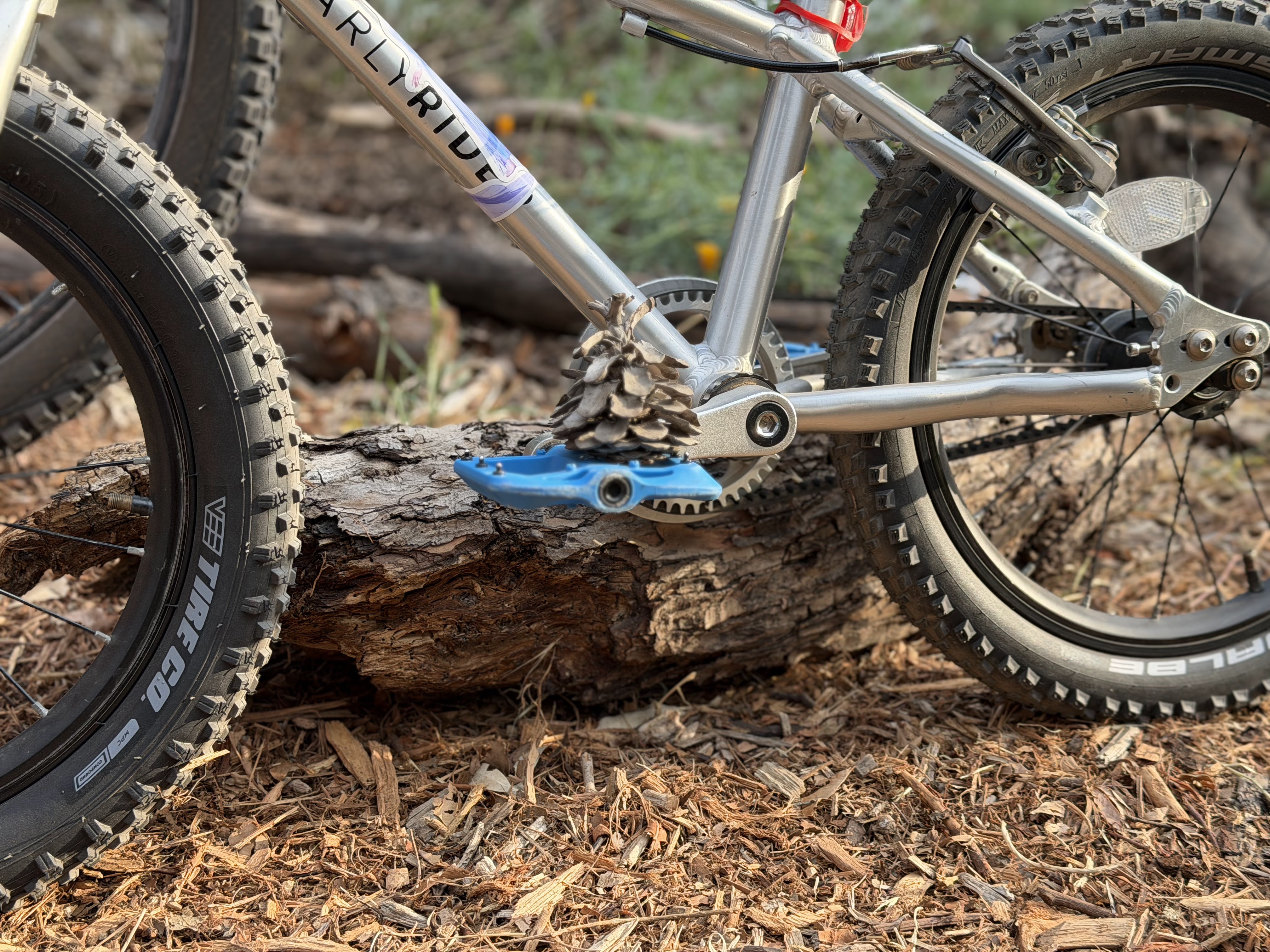
- Balance bike or small pedal bike (if your campsite allows) — Fantastic for loops around the campground and burning off pre-bedtime energy.
- Helmet — Non-negotiable for any riding.
- Small ride-on toy (optional) — For younger toddlers, a simple push toy can be a big hit.
Real-world note: Families often overpack toys and discover that sticks, rocks, and puddles are the main attractions. A handful of familiar favorites is enough.
Packing Tips for Sanity
How you pack matters almost as much as what you pack. A little organization makes it much easier to find the spare pajamas at 2 a.m. or the sunscreen when everyone is antsy.
Bins, Bags & Organization
- Clear plastic bins with lids — Use one for kitchen, one for kids’ clothes, and one for general camping gear. Clear sides help you see what’s inside without digging.
- Soft duffel or backpack for each person — Keeps everyone’s clothes semi-contained. Packing cubes or labeled zip-top bags can help separate outfits.
- Small “night bag” — Pack pajamas, toothbrushes, diapers, and bedtime items together so you can grab just one bag for the tent.
- Wet/dry bags — For dirty clothes, damp swimsuits, or potty-training mishaps.
- Car kit — Keep a stash of spare clothes, snacks, wipes, and a blanket in the car for the drive home.
Checklists That Actually Help
- Master camping checklist — A reusable list (printed or on your phone) for shelter, kitchen, clothing, and safety. Update it after each trip with what you did or didn’t use.
- Toddler-specific checklist — Diapers or pull-ups, wipes, sleep items, lovey, favorite cup, and a few toys. This helps prevent last-minute panic.
- Food plan — Write down simple meals for each day (for example: oatmeal, sandwiches, pasta, quesadillas) so you don’t overpack or forget key ingredients.
What to Leave at Home (Without Guilt)
- Multiple “just in case” gadgets — If you have no idea when you’d use it, you probably won’t.
- Extra clothing for every possible scenario — Aim for 1–2 outfits per day plus a spare, rather than a full dresser.
- Breakable or sentimental toys — Camping is rough on belongings; bring items you won’t be heartbroken to lose.
- High-maintenance cooking projects — Multi-step gourmet meals sound fun but are hard to pull off with toddlers underfoot. Simple is kinder to everyone.
- Pressure to do it “right” — There is no one perfect way to camp with kids. If you end the weekend tired but with a few good memories, you did it well.
Over time, you’ll figure out your family’s essential gear versus “nice but unused.” Start small, keep expectations gentle, and remember: the goal isn’t a flawless trip — it’s time together outside.


Leave a comment